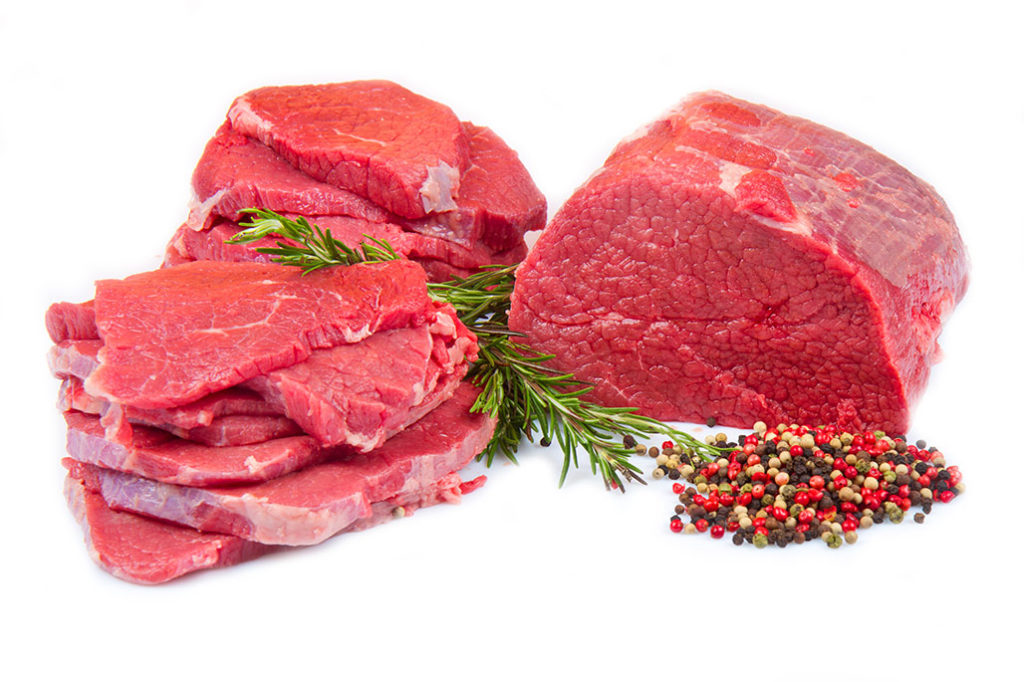


Choosing the right beef cut can make the difference between a Persian stew that is tender and flavorful and one that feels dry or chewy. Dishes such as ghormeh sabzi, gheimeh, khoresh bademjan and celery stew cook slowly, so they benefit from cuts with enough connective tissue and marbling to become tender without falling apart too quickly.
The best stew beef is not necessarily the most expensive steak cut. Slow cooking works especially well with hardworking muscles that contain collagen. During gentle cooking, collagen softens and adds body to the sauce. The ideal pieces should also be cut to a consistent size so they finish cooking at the same time.
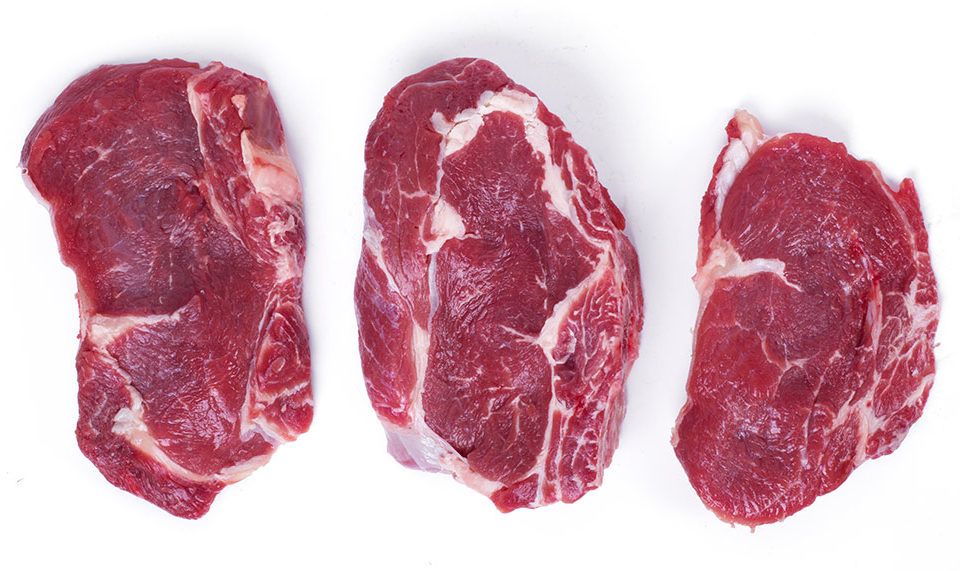
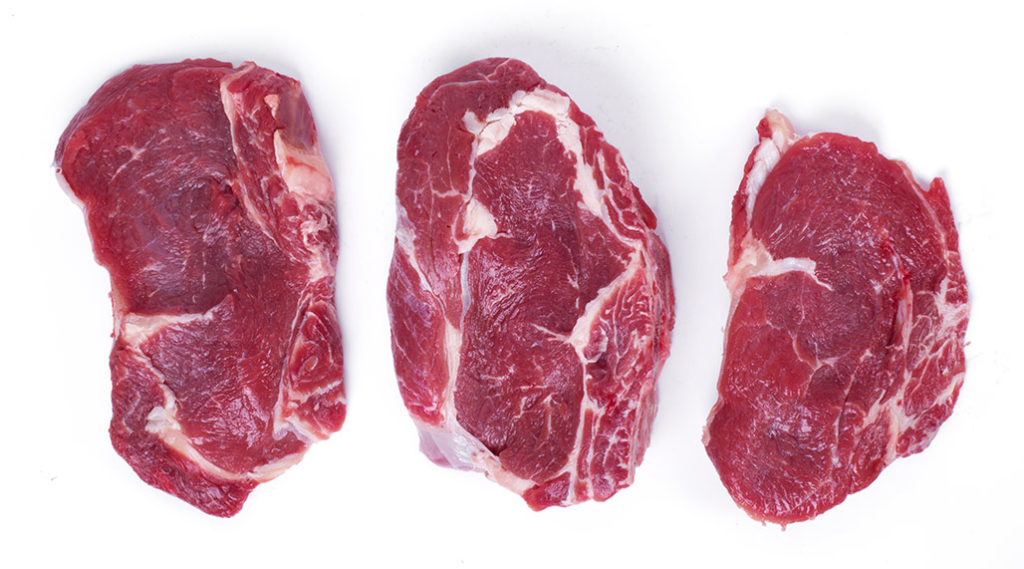
Beef chuck is one of the most dependable choices for Persian stews. It has a balanced combination of meat, fat and connective tissue. After slow cooking, chuck becomes tender while still holding its shape. It works particularly well for ghormeh sabzi, khoresh bademjan and celery stew.
Blade comes from the shoulder area and offers rich beef flavor. When properly trimmed and cut across the grain, it becomes soft during a long simmer. Blade is a practical choice when you want tender meat with a full-bodied sauce.
Boneless short rib has more marbling and produces a richer result. It is excellent for special meals or stews where the meat is intended to be especially succulent. Because it contains more fat, careful trimming can keep the finished dish balanced.
Beef shank contains substantial connective tissue and develops deep flavor with patient cooking. It needs more time than chuck, but the resulting sauce can be exceptionally silky. Shank is best cooked gently and should not be rushed at a hard boil.
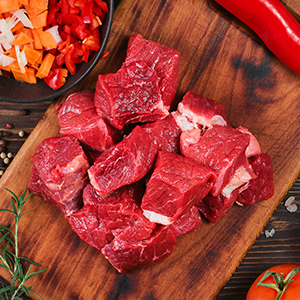
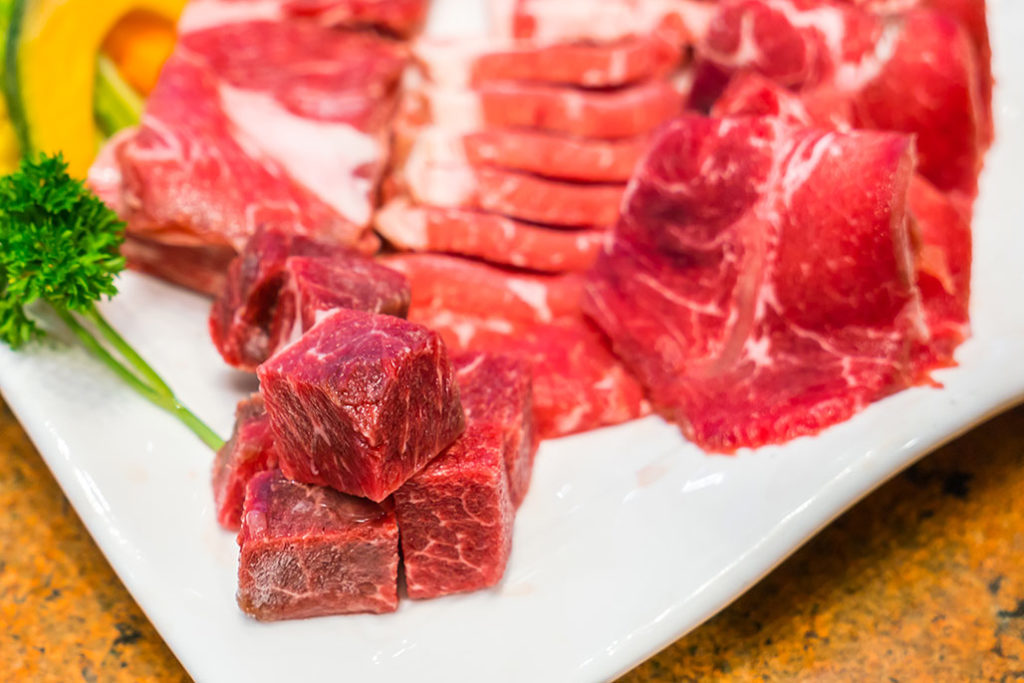
Chuck or blade cut into medium cubes is usually the most versatile choice for ghormeh sabzi. These cuts can handle the long cooking time needed for the herbs, dried lime and beans to come together. Ask for pieces that are large enough to remain distinct after simmering.
Gheimeh is commonly served with smaller pieces of meat. Chuck, blade or well-trimmed stew beef can all work well. Request smaller, evenly sized cubes so the meat cooks at a similar pace to the split peas while still retaining texture.
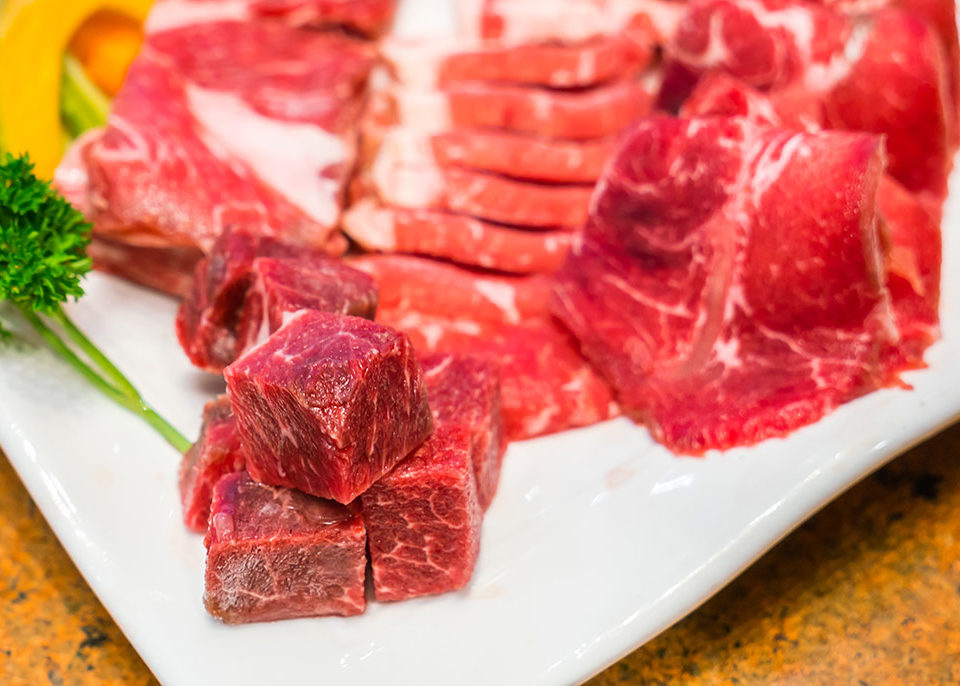
For most Persian stews, cubes around 3 to 4 centimetres are a useful starting point. Gheimeh may use smaller pieces, while ghormeh sabzi often benefits from medium cubes. Consistency matters more than an exact measurement. Mixed sizes can leave small pieces dry before larger pieces become tender.
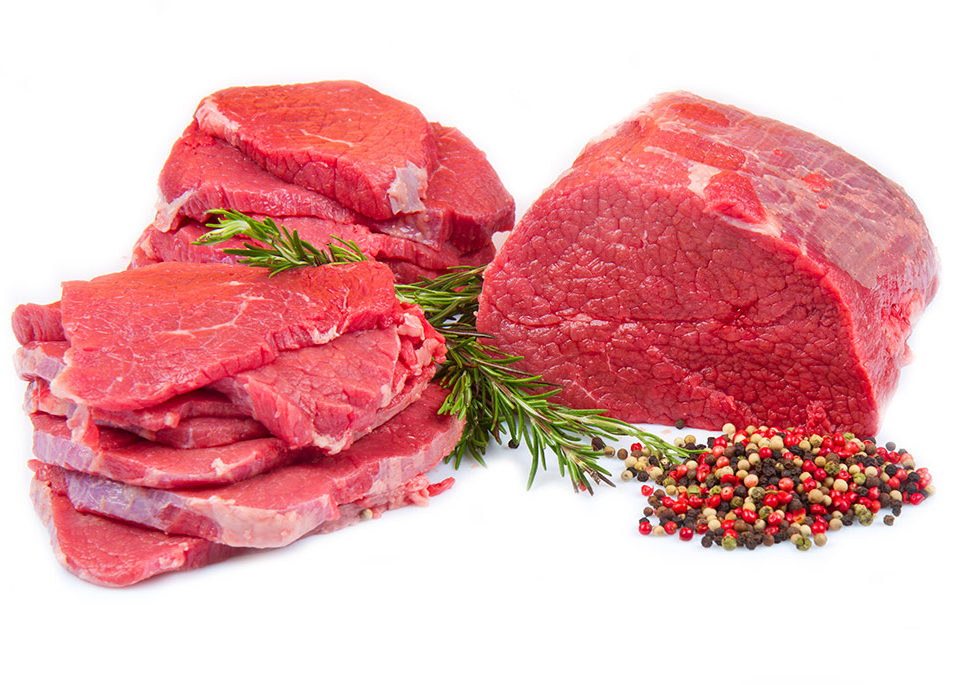
Very lean and naturally tender steak cuts can be used, but they are usually not the best value for a long-cooked dish. Cuts such as tenderloin may become dry and do not contribute the same richness to the sauce. Save premium quick-cooking steaks for grilling or pan-searing and choose chuck, blade or shank for slow cooking.
At Persia Meat Shop Newmarket, our butchers can prepare fresh halal beef according to the Persian dish you plan to cook. Tell us whether you are making ghormeh sabzi, gheimeh or another khoresh, how many people you are serving and your preferred cube size. We can trim, portion and package the meat for convenient cooking and pickup.
Persia Meat Shop Newmarket
130 Davis Dr Unit 12, Newmarket, Ontario
Call (905) 895-9999 to ask about availability or arrange custom preparation.