

Fresh and frozen meat can both produce excellent meals. The better choice depends on when you plan to cook, how much storage space you have, the cut you need and how carefully the meat was handled. Understanding the practical differences helps you buy the right amount, reduce waste and protect quality.
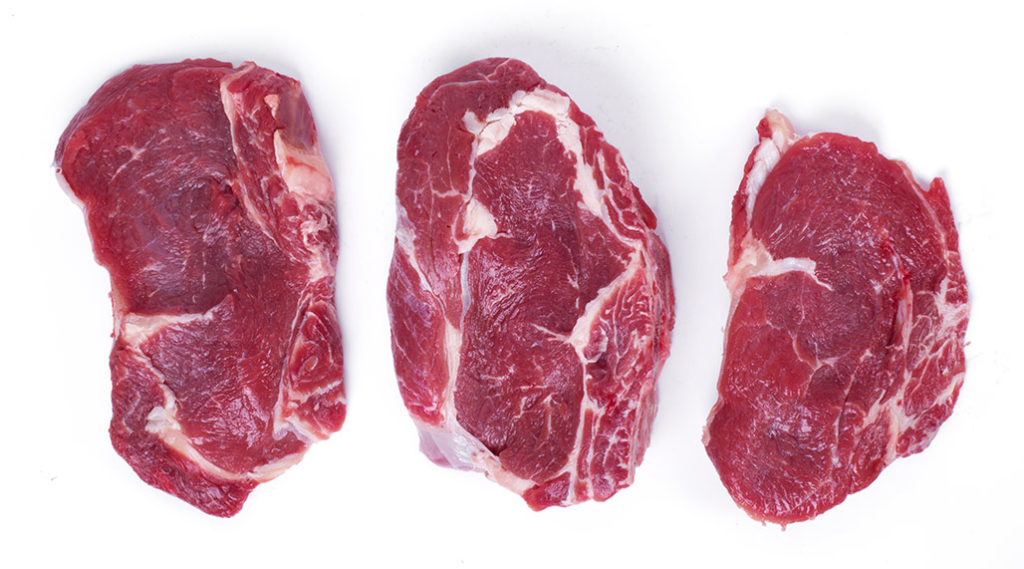
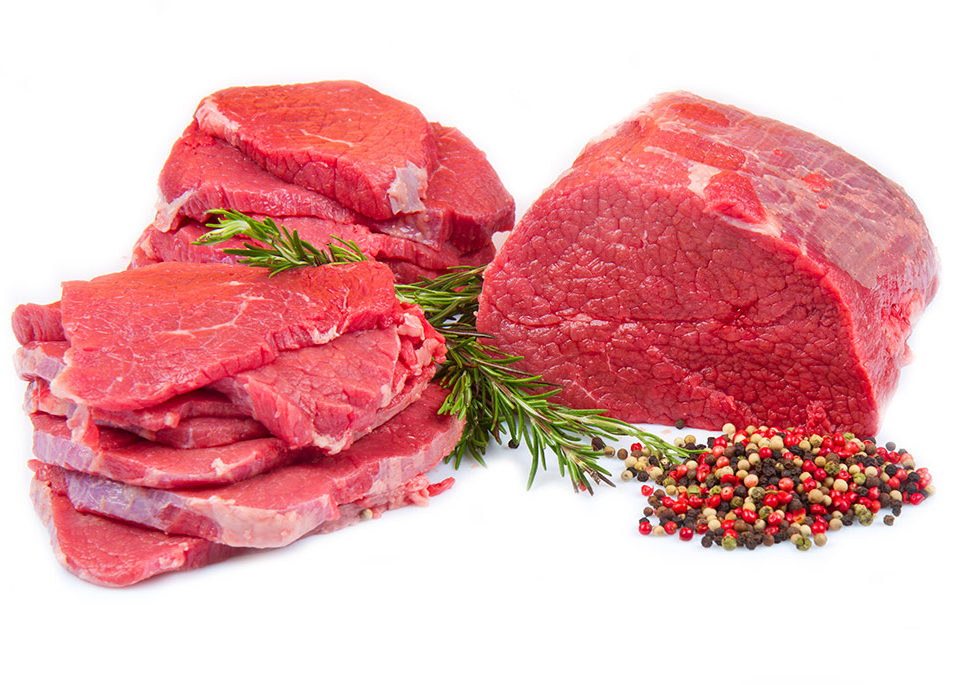
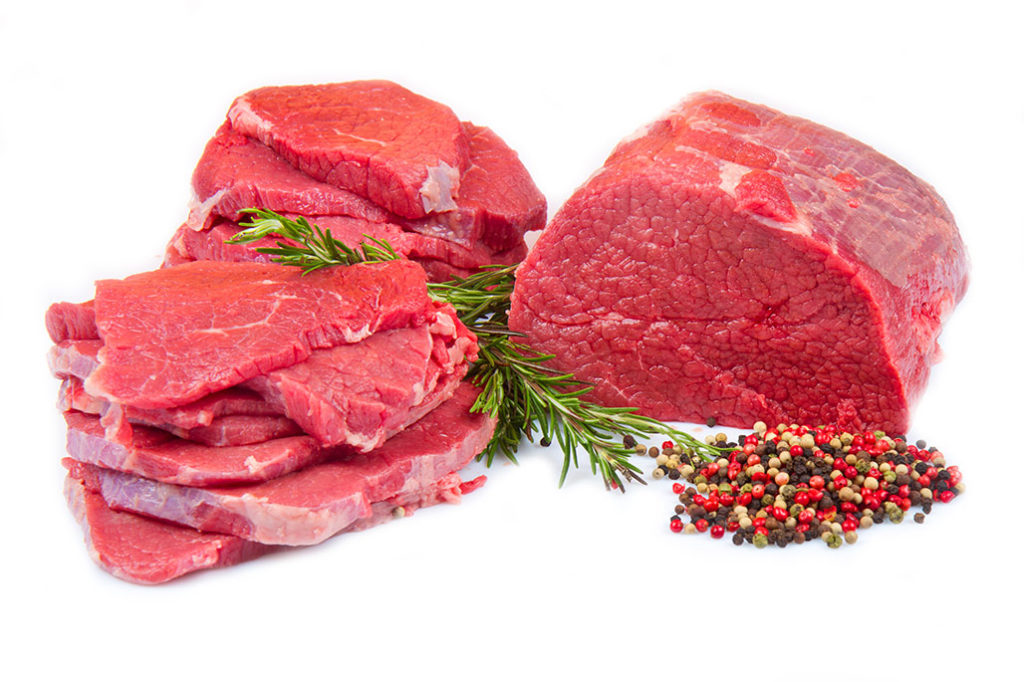
Fresh meat is sold refrigerated and has not been frozen after preparation. It is convenient when you plan to cook soon, want to inspect the cut closely or need a butcher to trim and portion the meat for a specific recipe. Fresh meat should remain properly chilled from purchase until cooking.
Freezing greatly slows the activity that causes food to spoil. It does not improve meat that was already poor quality, so the quality before freezing still matters. When meat is wrapped well, frozen promptly and thawed correctly, it can retain very good flavor and texture.
The nutritional difference between properly handled fresh and frozen meat is generally small. Protein, iron and other important nutrients remain available after freezing. Cooking method, fat content, portion size and the original quality of the cut usually make a greater practical difference than whether the meat was sold fresh or frozen.
Water inside meat forms ice crystals during freezing. Slow freezing, damaged packaging or repeated temperature changes can lead to greater moisture loss after thawing. This may make the surface feel drier. Fast freezing and airtight packaging help protect texture and reduce freezer burn.
Divide meat into meal-size portions before freezing. Remove as much air as practical and use freezer-safe wrapping or containers. Label each package with the cut and date. Flatten ground meat into an even package so it freezes and thaws more consistently. Keep the freezer at -18°C or colder.
Thawing in the refrigerator is the safest and most predictable method because the meat remains cold throughout the process. Place the package on a tray to prevent drips. For faster thawing, use cold water in a sealed package or a microwave, then cook immediately. Do not leave meat thawing for hours on the kitchen counter.
Freezer burn appears as dry, pale or discoloured patches caused by moisture loss and exposure to air. It is mainly a quality problem rather than proof that the meat is unsafe, provided the meat remained continuously frozen. Severely affected sections may taste dry and can be trimmed before cooking.
Meat thawed safely in the refrigerator can generally be refrozen, although a second freeze may reduce quality. Meat thawed using cold water or a microwave should be cooked before freezing again. If you are uncertain how long meat has been warm, do not rely only on appearance or smell.
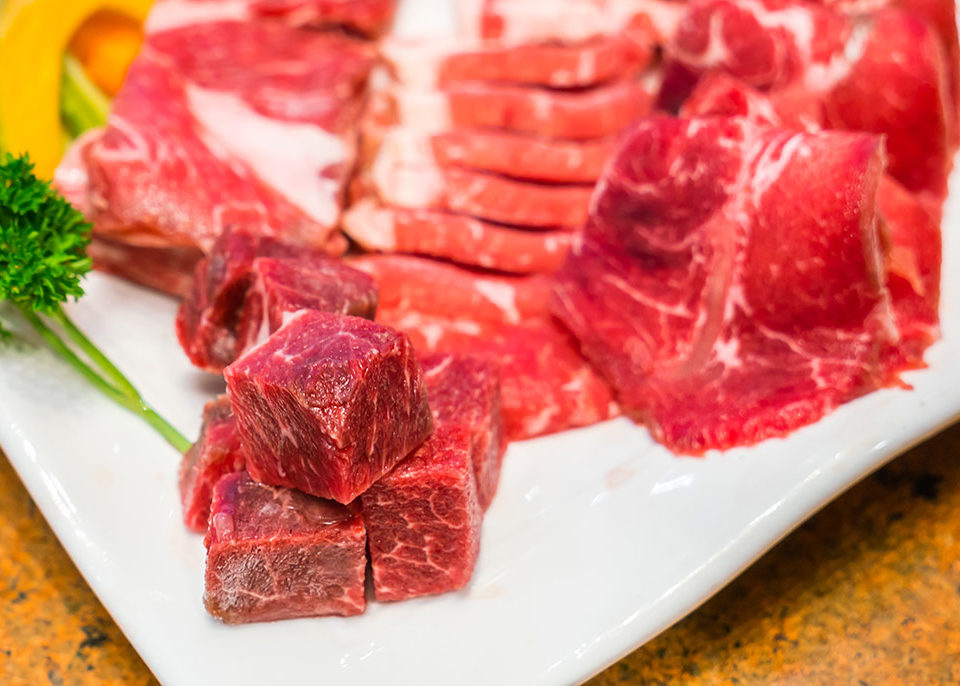
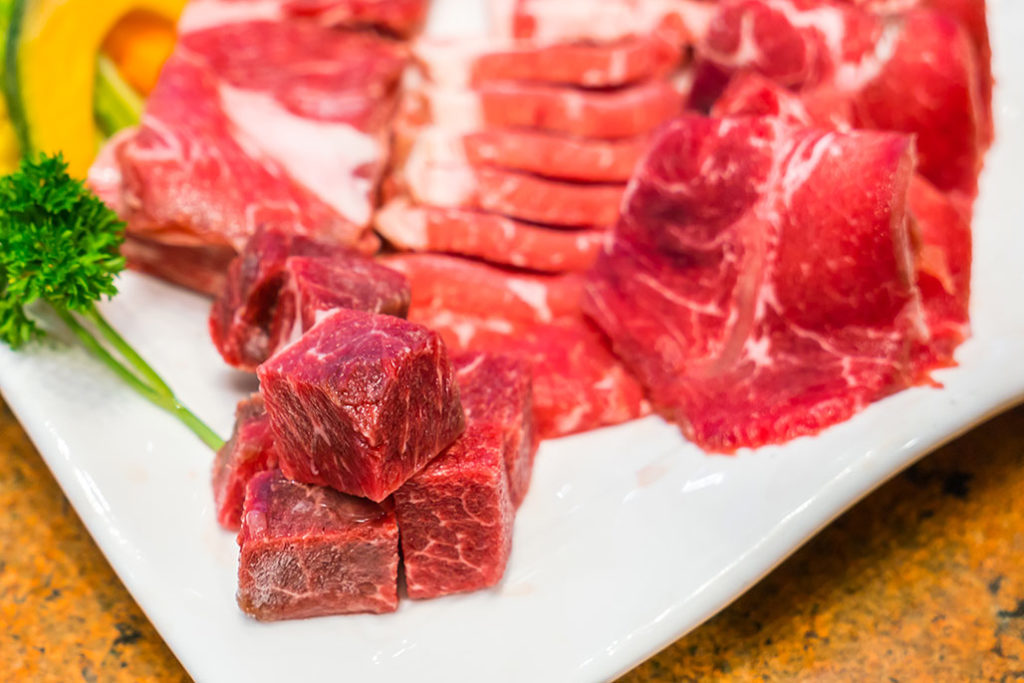
Fresh custom-cut meat is especially useful for koobideh, chenjeh, kabab barg and stews that require a particular fat level or cube size. Frozen portions can be very practical for everyday khoresh, soups and planned family meals. For the best result, match the cut and preparation to the dish rather than judging quality only by the fresh or frozen label.
Persia Meat Shop Newmarket prepares fresh halal beef, lamb, veal, chicken and goat meat for Persian and international recipes. Tell our team what you plan to cook and how many people you are serving. We can recommend a suitable cut, prepare custom portions and package your order for convenient storage.
Persia Meat Shop Newmarket
130 Davis Dr Unit 12, Newmarket, Ontario
Call (905) 895-9999 for availability or custom preparation.